
- 简体中文
- English
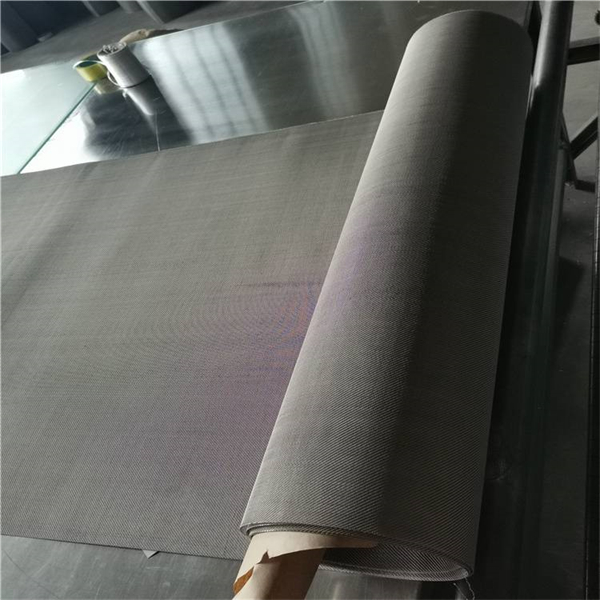
Nickel wire mesh
- 商品
- 详情
产品详情
Woven from N4/N6 high-purity nickel wire, it features superb strong alkali resistance, excellent electrical conductivity and high temperature resistance. It is a special wire mesh exclusively for strong alkali electrolysis and new energy electrodes, with a price much higher than 304 stainless steel mesh and low-carbon steel mesh.
I. Main Material Grades (Core for Selection)
Grade | Nickel Content | Characteristics | Applicable Working Conditions |
N4 (Ni201) | ≥99.99% | Highest purity, resistant to concentrated strong alkali, optimal electrical conductivity | Electrolytic hydrogen production, high-temperature lye with over 30% KOH, chlor-alkali electrolytic cells |
N6 (Ni200) | ≥99.5% | High cost performance, regular alkali resistance, general-purpose on market | Ordinary strong alkali filtration, battery current collector mesh, chemical defoaming |
N6L Low Carbon Nickel | ≥99.6% low carbon content | High-temperature creep resistance, stable at 550℃ | High-temperature molten alkali, vacuum furnace fittings |
Difference: 304 stainless steel cannot resist concentrated caustic soda, low-carbon iron mesh corrodes rapidly in strong alkali; only nickel can withstand high-temperature strong alkali for long-term service.
II. Weaving Processes (Same as Stainless Steel Mesh)
1. Plain Weave Nickel Mesh (Most Commonly Used): 1~300 mesh with uniform apertures, for lye filtration and electrode substrates;
2. Twill Weave Nickel Mesh: 200~800 mesh, dense and fine filtration, precision chemical purification;
3. Dutch Weave Nickel Mesh: Extra-high mesh count for micron-level precision filtration and catalyst carriers;
4. Knitted Nickel Gas-Liquid Mesh: Crocheted structure for chemical tower defoaming, oil-gas separation and mist elimination mesh.
Standard Specifications
· Wire diameter: 0.05mm~3.0mm; Mesh count: 1 mesh~1000 mesh; Width: 1m/1.2m, standard roll length 30m, sheet cutting and edge wrapping processing available.